Have you ever noticed a painful red bump on your skin and wondered, “what does a boil look like?” Many people mistake a boil for a pimple or cyst at first because it often begins as a small bump.
However, a boil gradually becomes larger, more painful, and filled with pus. Understanding the early stage boil appearance can help you identify the problem quickly and take proper care of your skin.
Quick Answer:
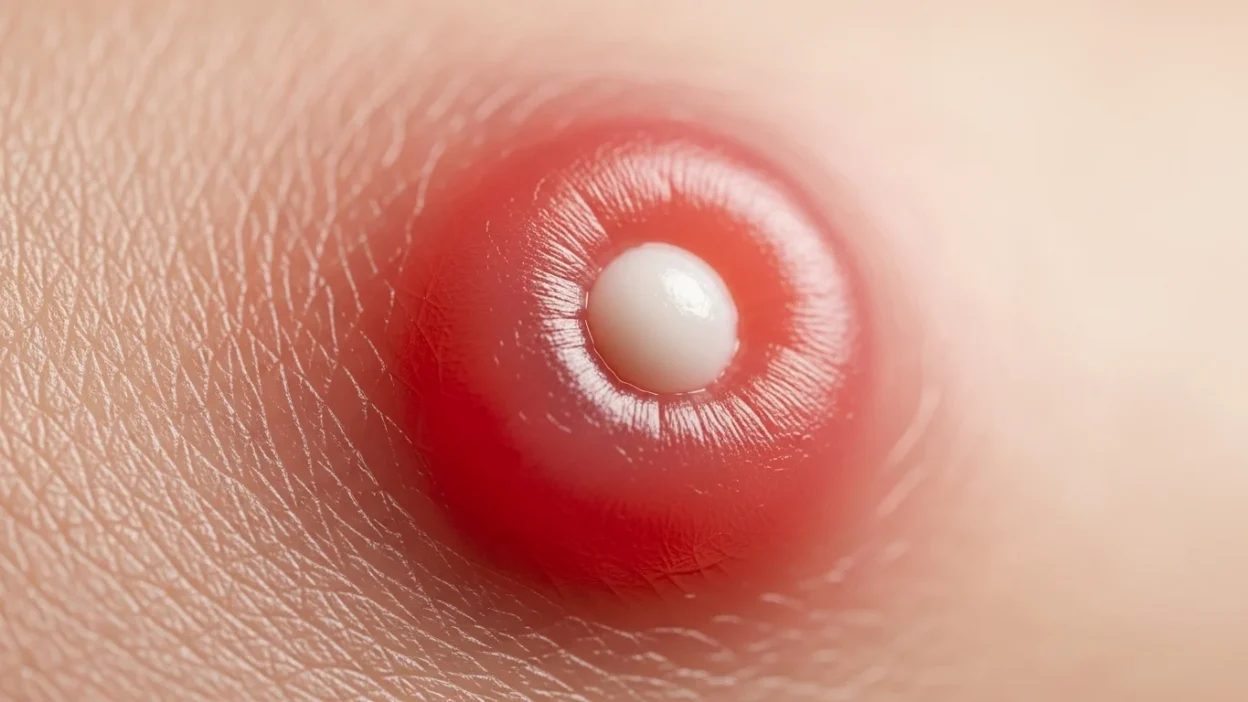
A boil usually looks like a red, swollen, painful lump on the skin that fills with pus over time. It starts as a small tender bump and grows larger as the infection develops.
What Does a Boil Look Like in Early Stage? 🧠
In the early stage, a boil usually appears as a small red bump that may feel tender or warm to the touch. This stage is often confused with acne, which is why many people search for the boil vs pimple difference.
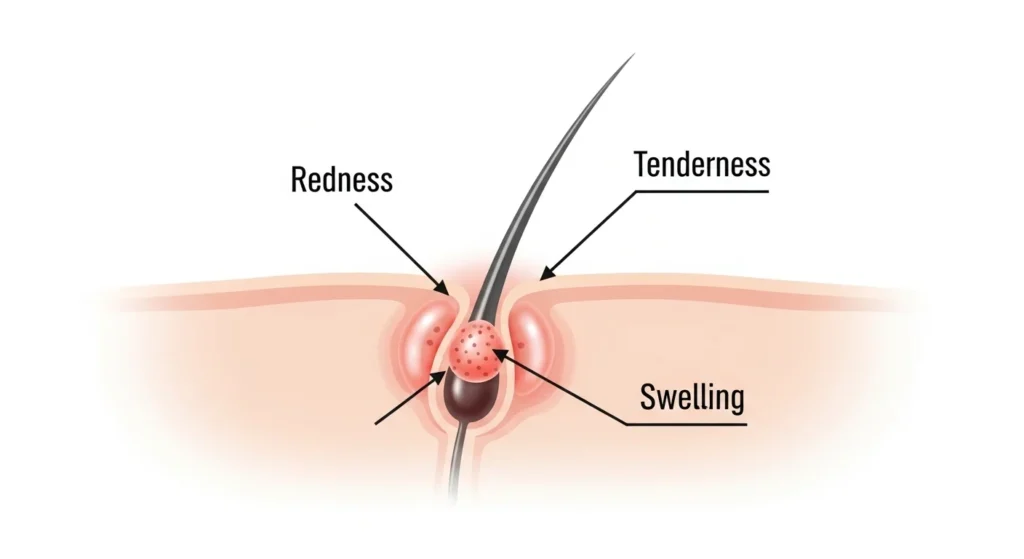
Early stage boil appearance includes:
- Small red bump on the skin
- Slight swelling around the hair follicle
- Mild pain or tenderness
- Warm feeling in the affected area
As the infection progresses, the bump becomes larger and the center may develop a white or yellow pus-filled head.
In short:
Early boil = small red painful bump that grows larger over time.
Boil Symptoms on Skin
Recognizing boil symptoms on skin helps you determine whether the bump is a boil or another skin condition.
Common symptoms include:
- Painful red swollen bump
- Pus forming in the center
- Skin around the boil becoming warm
- Gradual increase in size
- Sometimes mild fever in severe cases
These symptoms occur because the body is fighting a bacterial infection in a hair follicle.
What Causes Boils on the Skin? 🦠
A common question people ask is “what causes boils on the skin?”
Boils usually occur when bacteria infect a hair follicle or oil gland. The most common bacteria responsible for boils is Staphylococcus aureus.
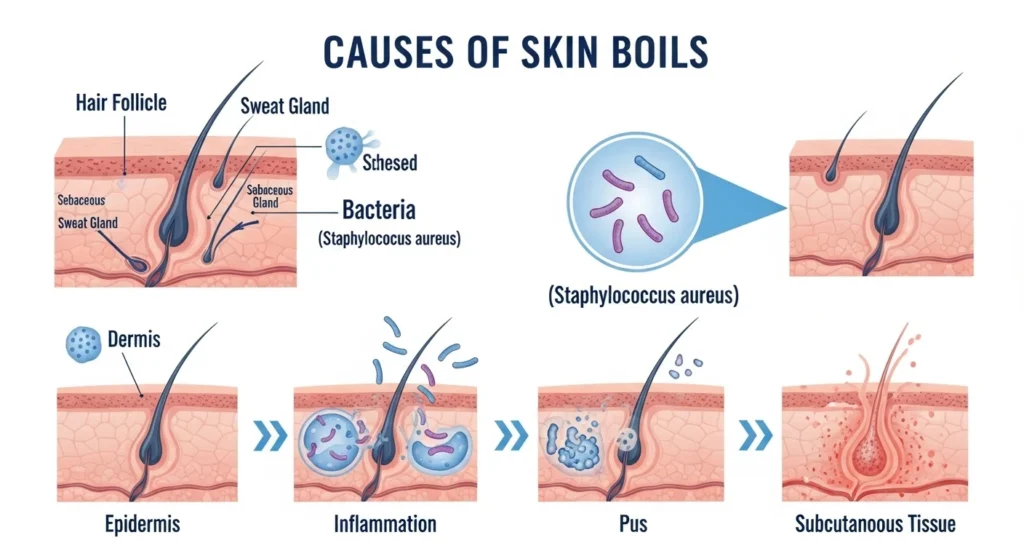
Common causes include:
- Bacterial infection
- Poor hygiene
- Ingrown hairs
- Skin cuts or injuries
- Friction from tight clothing
- Weak immune system
When bacteria enter the skin, the body sends white blood cells to fight the infection, which forms pus inside the boil.
Boil vs Pimple Difference
Many people confuse boils with pimples, especially in the early stage.
Here is the boil vs pimple difference:
| Feature | Boil | Pimple |
| Size | Larger lump | Small bump |
| Pain | Often painful | Usually mild |
| Cause | Bacterial infection | Clogged pores |
| Appearance | Red swollen lump with pus | Small whitehead or blackhead |
| Healing time | 1–3 weeks | Few days |
If the bump becomes larger and painful, it is more likely a boil.
Boil vs Cyst Difference
Another condition people confuse with boils is a cyst. Understanding the boil vs cyst difference can help you identify the issue.
| Feature | Boil | Cyst |
| Cause | Bacterial infection | Blocked gland |
| Pain | Usually painful | Often painless |
| Pus | Common | Rare |
| Growth | Appears quickly | Grows slowly |
Cysts usually develop slowly, while boils grow faster and become painful.
Stages of a Boil
A boil typically develops in several stages.
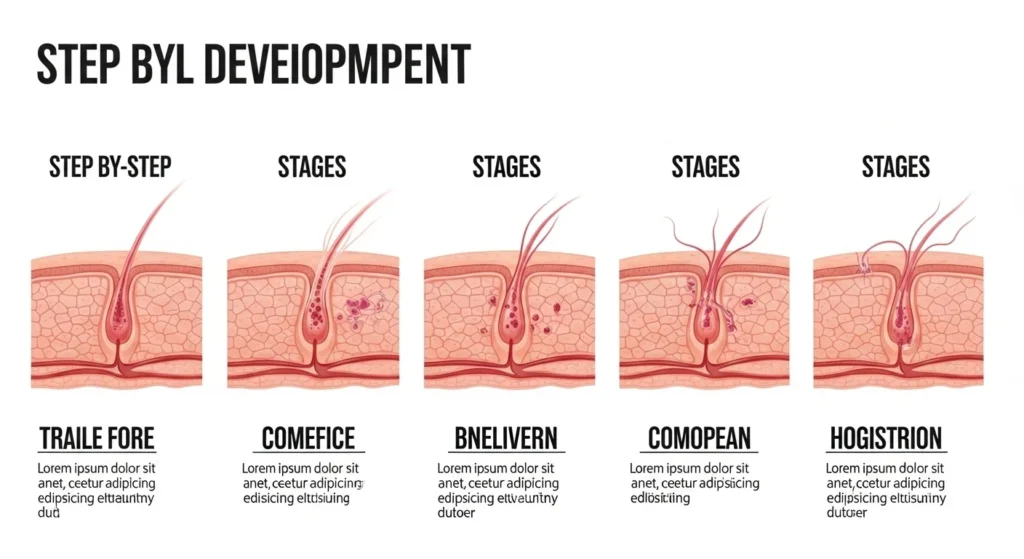
1. Early Stage
A small red tender bump forms on the skin.
2. Growth Stage
The bump becomes larger and more painful as infection spreads.
3. Pus Formation
A white or yellow center forms as pus collects inside the boil.
4. Drainage Stage
The boil may burst and release pus.
5. Healing Stage
The skin begins to heal and swelling decreases.
Understanding these stages helps explain how a boil looks when it starts and how it changes over time.
Where Do Boils Usually Appear?
Boils often develop in areas where hair follicles, sweat, and friction are common.
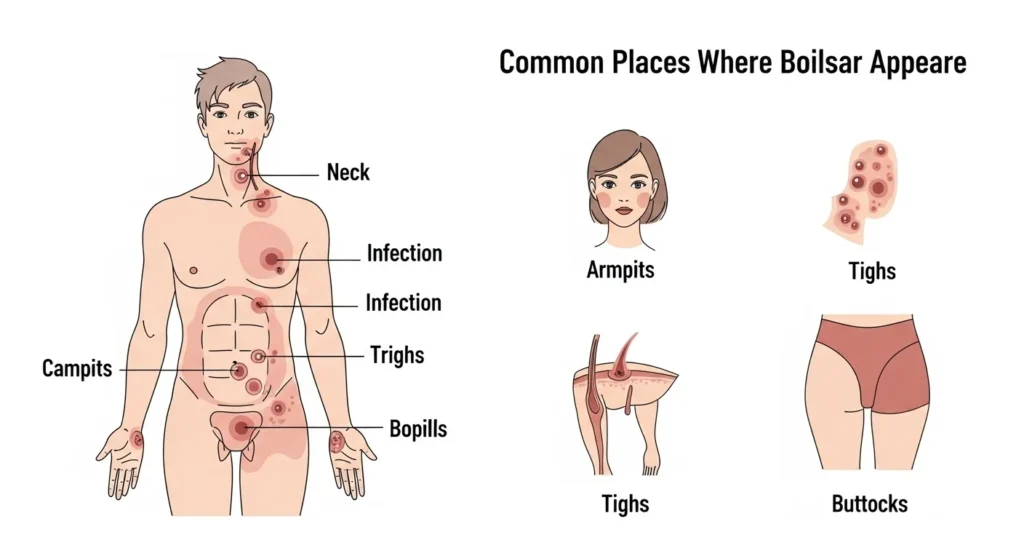
Common locations include:
- Neck
- Face
- Armpits
- Thighs
- Buttocks
- Groin area
These areas are more prone to bacterial growth, which increases the chance of developing boil symptoms on skin.
How to Tell If You Have a Boil
If you are unsure how to identify a boil, check for these signs:
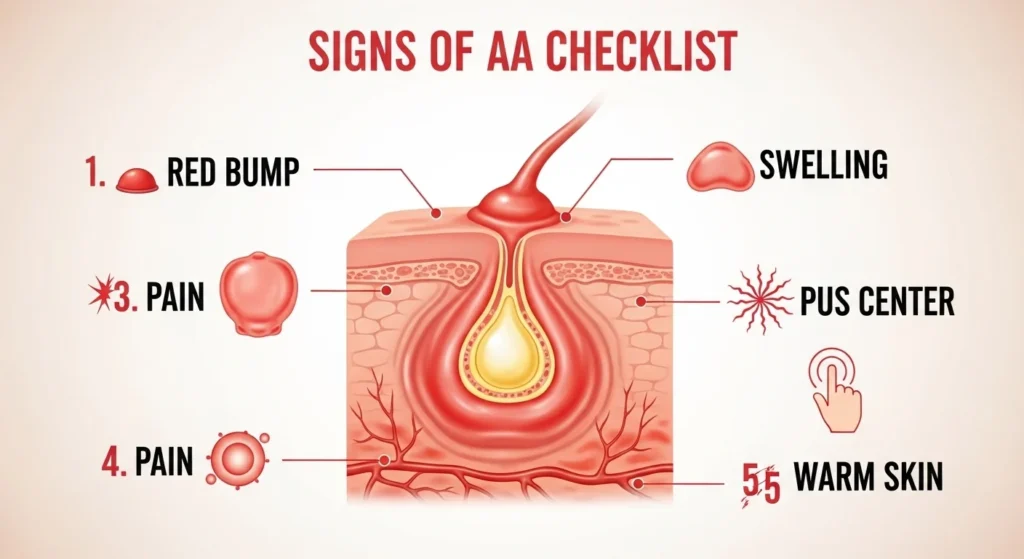
✅ Painful red lump
✅ Swelling around the bump
✅ Pus-filled center
✅ Skin feels warm
✅ The bump grows larger over time
These signs help tell if you have a boil rather than acne or a cyst.
How Long Does a Boil Last? ⏳
Another common question is how long does a boil last.
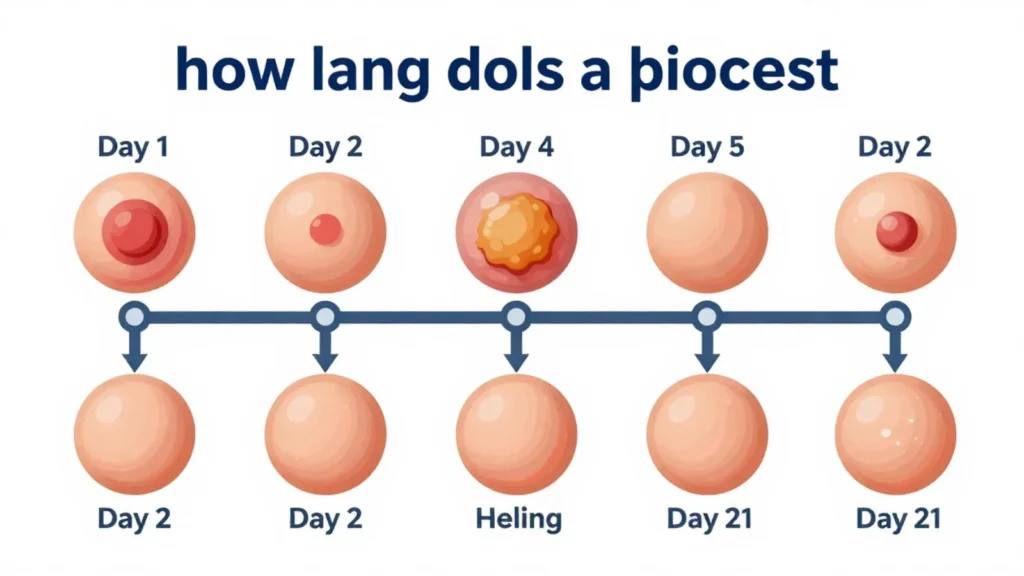
Most boils heal within 1 to 3 weeks. The boil may gradually fill with pus, drain naturally, and then heal.
However, larger boils may take longer and sometimes require medical treatment.
Home Treatment for Boils 🏠
Many mild boils can be treated with simple home treatment for boils.
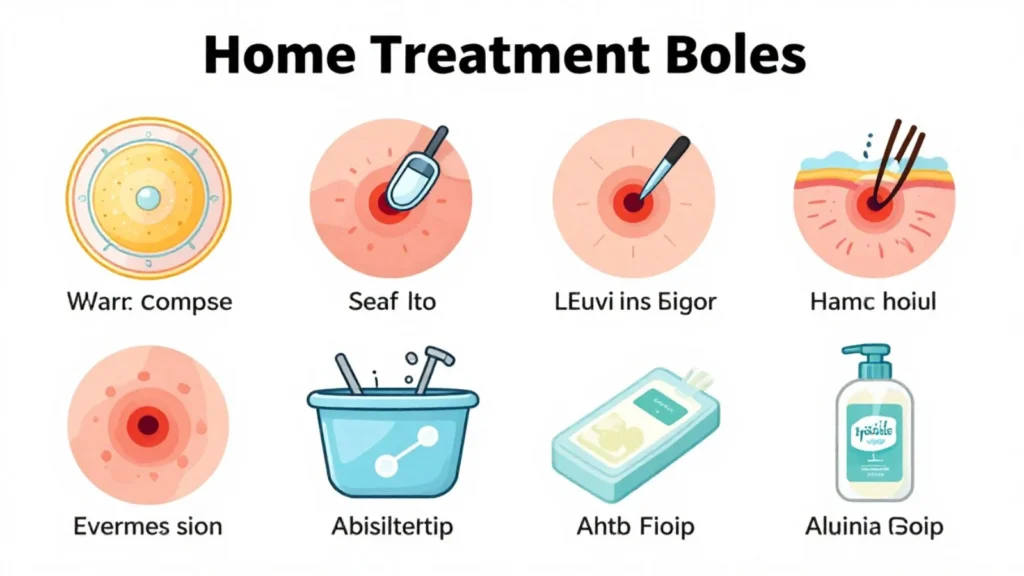
Effective treatments include:
- Applying a warm compress for 10–15 minutes several times a day
- Keeping the area clean
- Avoiding squeezing or popping the boil
- Using antibacterial soap
- Applying doctor-recommended ointment if needed
These steps help reduce infection and support faster healing.
When to See a Doctor
Although many boils heal on their own, medical care may be necessary if:
- The boil becomes very large
- Severe pain occurs
- Fever develops
- Multiple boils appear
- The boil does not heal after two weeks
A doctor may drain the boil or prescribe antibiotics to treat the infection.
FAQs About What Does a Boil Look Like
What does a boil look like when it starts?
It usually starts as a small red bump that becomes swollen and painful over time.
What does a boil look like compared to a pimple?
Boils are larger, more painful, and often filled with pus, while pimples are smaller acne bumps.
What does a boil feel like?
A boil usually feels tender, warm, and painful, especially as it grows.
Can boils heal on their own?
Yes, many small boils heal naturally within 1–3 weeks.
Can I pop a boil?
No. Squeezing a boil can worsen infection and spread bacteria.
Conclusion: What Does a Boil Look Like?
So, what does a boil look like? A boil typically appears as a red, swollen, painful lump on the skin that gradually fills with pus.
It often starts as a small tender bump and grows larger as the infection develops.
Recognizing the early stage boil appearance and understanding the boil vs pimple difference can help you identify the problem early.
With proper hygiene and care, most boils heal naturally, but severe or persistent boils may require medical treatment.

Kaliyan Martan is a passionate dreamer and creative thinker who believes in turning ideas into meaningful action. With vision and dedication, he strives to make a lasting impact through innovation and authenticity.