
Ever scrolled through LinkedIn, TikTok, or a friend’s post and seen the title “Data Analyst” and thought, “Wait… what does a data analyst do exactly?” 😅 You’re not alone! At first glance, it sounds technical, complicated, and maybe even intimidating.
But the truth is, a data analyst is like a detective for numbers — turning raw data into insights that help companies make smarter decisions.
Quick Answer:
A data analyst is someone who collects, processes, and analyzes data to help organizations make informed decisions.
It’s a professional role that combines technology, statistics, problem-solving, and communication skills.
What Does a Data Analyst Do? 🧠
In simple terms, a data analyst meaning is someone who examines information to uncover trends, patterns, and insights. They transform data into understandable reports that guide business decisions.

Typical Tasks of a Data Analyst
A data analyst role involves:
- 📊 Collecting and cleaning data from multiple sources
- 📈 Analyzing trends in sales, customer behavior, or website traffic
- 📝 Preparing reports and dashboards using tools like Excel, Tableau, or Power BI
- 🔍 Identifying patterns or anomalies to inform decisions
- 💡 Presenting insights to managers or stakeholders
- 🛠 Using programming languages like SQL, Python, or R for data manipulation
Example:
A retail company notices a sudden drop in sales. A data analyst digs into customer data, product trends, and market behavior, then creates a report highlighting the cause — maybe a popular product went out of stock.
In short:
Data Analyst = Examines Data = Turns numbers into actionable insights.
A Day in the Life of a Data Analyst 🕓
Here’s how a typical day might look:
| Time | Task | Tool/Method |
| 9:00 AM | Check emails and gather new data requests | Outlook / Slack |
| 10:00 AM | Clean and preprocess raw data | Excel, SQL, Python |
| 11:30 AM | Analyze trends and visualize insights | Tableau, Power BI |
| 1:00 PM | Lunch | — |
| 2:00 PM | Prepare reports for management | PowerPoint, Excel |
| 3:30 PM | Team meeting to discuss findings | Zoom / Teams |
| 5:00 PM | Plan next steps or new analyses | SQL, Python, or R |
Tip: The role combines analytical thinking with effective communication — it’s not just numbers; it’s storytelling with data.
Skills and Tools Every Data Analyst Needs 🛠
To excel in a data analyst career, you need both technical and soft skills:
| Skill/Tool | Purpose | Level Needed |
| Excel | Data manipulation and reporting | Intermediate to Advanced |
| SQL | Querying databases | Intermediate |
| Python / R | Data analysis, visualization, automation | Beginner to Advanced |
| Tableau / Power BI | Dashboard and data visualization | Intermediate |
| Analytical Thinking | Understanding trends and patterns | Advanced |
| Communication | Explaining findings to stakeholders | Advanced |
| Problem Solving | Identifying solutions from data insights | Advanced |
Tip: You don’t need to master everything at once. Many data analysts start with Excel and SQL, then gradually learn Python, R, and visualization tools.
Where Is a Data Analyst Commonly Used? 📱
A data analyst role spans many industries, from tech to healthcare. Here’s where you’ll see them:

- 💻 Corporate Offices – Business analytics and reporting
- 📊 Marketing Teams – Understanding customer behavior and campaign effectiveness
- 🏥 Healthcare – Tracking patient trends and treatment outcomes
- 🛒 E-commerce – Sales, product, and customer analytics
- 📱 Social Media – Career advice or job discussions
- 🌐 Freelancing Platforms – Remote data projects
Tone: Professional in corporate environments, casual in online discussions.
Examples of a Data Analyst in Action 💬
Here are realistic ways to describe what a data analyst does:

Professional Work Examples:
A: “Our website traffic dropped last week.”
B: “The data analyst checked the user data and found the landing page was broken. Fixed it!”
A: “How do we improve sales?”
B: “The data analyst ran a customer segmentation analysis to find which products are underperforming.”
Casual Chat Examples:
A: “Thinking about becoming a data analyst. What’s it like?”
B: “You basically solve problems with data 📊 and tell people what it means.”
A: “Does a data analyst job include coding?”
B: “Sometimes! Mostly SQL or Python for data handling 🖥️”
A: “I love statistics but not sure about data analyst tasks.”
B: “Perfect! It’s stats + problem-solving + storytelling 💡”
When to Use “Data Analyst” Terminology ✅❌
✅ When to Use:
- Discussing careers or roles
- Describing job responsibilities
- Professional conversations
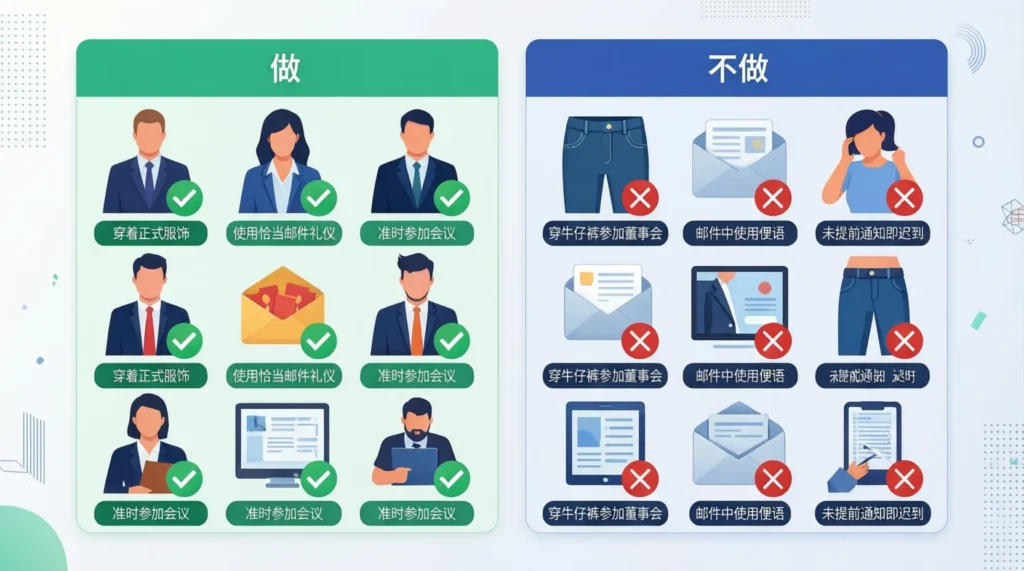
❌ When Not to Use:
- Casual conversations unrelated to work
- Mislabeling someone without experience
- Urgent or highly formal contexts where technical accuracy is needed
Comparison Table:
| Context | Example Phrase | Why It Works |
| Friend Chat | “My friend’s a data analyst 😎” | Casual & relatable |
| Work Chat | “Our data analyst role found trends 📊” | Professional & informative |
| “Our data analyst has prepared the report.” | Formal & clear |
Career Path and Salary for Data Analysts 💼
Career Growth:
- Junior/Entry-Level Data Analyst → Data Analyst → Senior Analyst → Lead Analyst → Data Analytics Manager → Director of Analytics

Average Salary:
- Entry-Level: $55,000–$70,000/year
- Mid-Level: $70,000–$90,000/year
- Senior-Level: $90,000–$120,000/year
Tip: Salaries vary by location, industry, and skill set. Certifications in SQL, Python, or Tableau can increase earning potential.
Similar Career Roles or Alternatives 🔄
| Role | Meaning | When to Use |
| Data Scientist | Predicts trends and builds models | Tech-heavy predictive tasks |
| Business Analyst | Focuses on business processes & insights | Corporate/management context |
| Statistician | Works mainly with statistical data | Academic/research environments |
| Data Engineer | Builds and maintains data infrastructure | Backend technical roles |
FAQs About What a Data Analyst Does ❓
Q1: Does a data analyst need coding skills?
A1: Not always, but knowledge of SQL, Python, or R is highly recommended.
Q2: Is a data analyst the same as a data scientist?
A2: No. A data analyst role focuses on interpreting data, while a data scientist predicts trends and builds models.
Q3: What tools do data analysts use?
A3: Excel, SQL, Python/R, Tableau, Power BI, and visualization/reporting tools.
Q4: How do I become a data analyst?
A4: Start with a degree in Statistics, Math, Computer Science, or Economics, learn SQL, Excel, and a visualization tool, then build a portfolio with real-world projects.
Q5: Can data analysts work remotely?
A5: Yes! Many companies allow remote work, as most tasks are computer-based.
Q6: What are common data analyst tasks?
A6: Cleaning data, generating reports, analyzing trends, visualizing insights, and presenting findings.
Q7: What is the career growth for data analysts?
A7: Entry-Level → Mid-Level → Senior Analyst → Lead Analyst → Analytics Manager → Director of Analytics.
Conclusion
A data analyst is more than someone who looks at numbers — they are data detectives, solving business problems by turning information into insights.
Understanding what a data analyst does helps you see the impact of this role, whether you’re exploring a career, chatting with friends, or planning your professional path.
With the right skills, tools, and experience, a career in data analysis can be rewarding, flexible, and high-paying.

Robert Kalian is a passionate visionary dedicated to creativity, leadership, and meaningful innovation. He believes in turning ideas into action and inspiring others to achieve their highest potential.