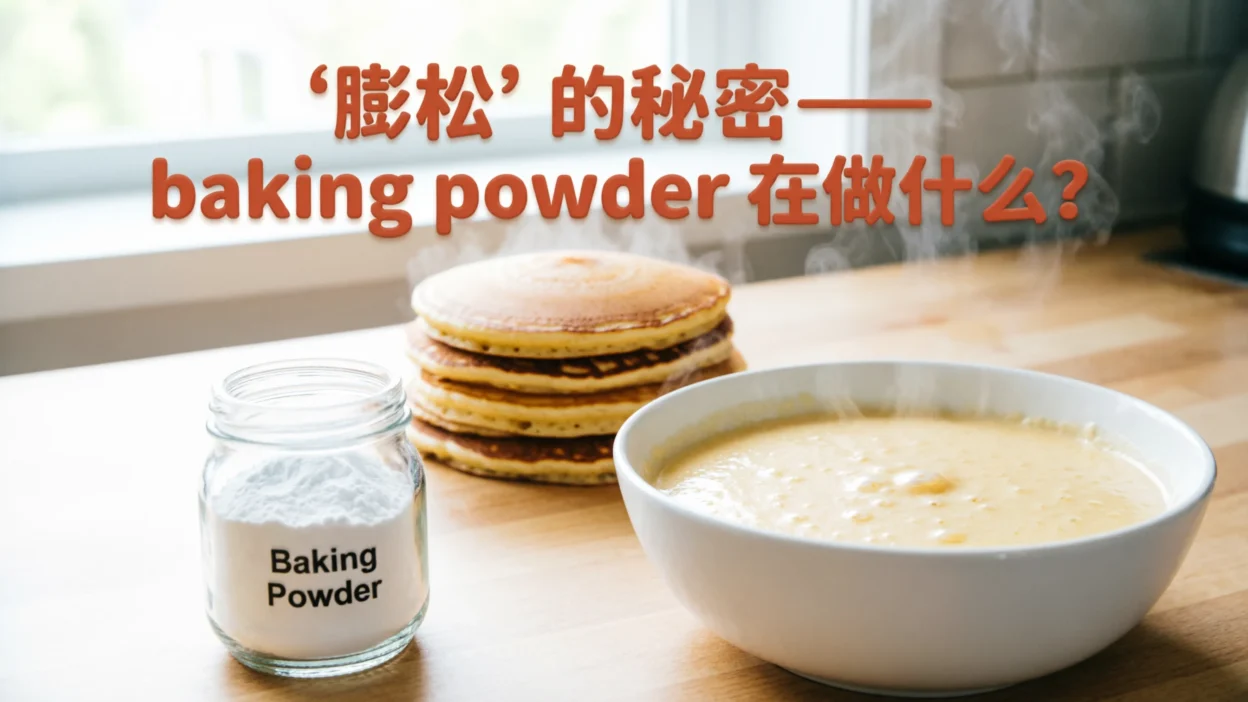
Have you ever opened a recipe, saw “1 tsp baking powder,” and paused, thinking: “Wait… what does baking powder do?” 🤔 You’re not alone.
Baking powder is one of the most important ingredients in baking—it can make or break your cakes, muffins, pancakes, and biscuits.
Understanding baking powder uses and how it works can turn flat, dense baked goods into light, fluffy masterpieces. Let’s break it down step by step!
Quick Answer:
Baking powder is a leavening agent. It reacts with moisture and heat to produce bubbles of carbon dioxide, making baked goods rise and become airy.
In short: it’s the “magic fluff maker” for your kitchen.
💡 TL;DR (Quick Facts)
- Function: Makes baked goods rise ✅
- Best for: Cakes, muffins, pancakes, biscuits 🍰🥞
- Not for: Yeast doughs or recipes that need fermentation ❌
- Tip: Measure carefully; too much can taste bitter!
🧠 What Does Baking Powder Do in Baking?
Baking powder is a chemical leavening agent. When mixed with liquid and heated, it produces carbon dioxide bubbles. These bubbles get trapped in the batter or dough, giving baked goods a soft, fluffy texture.
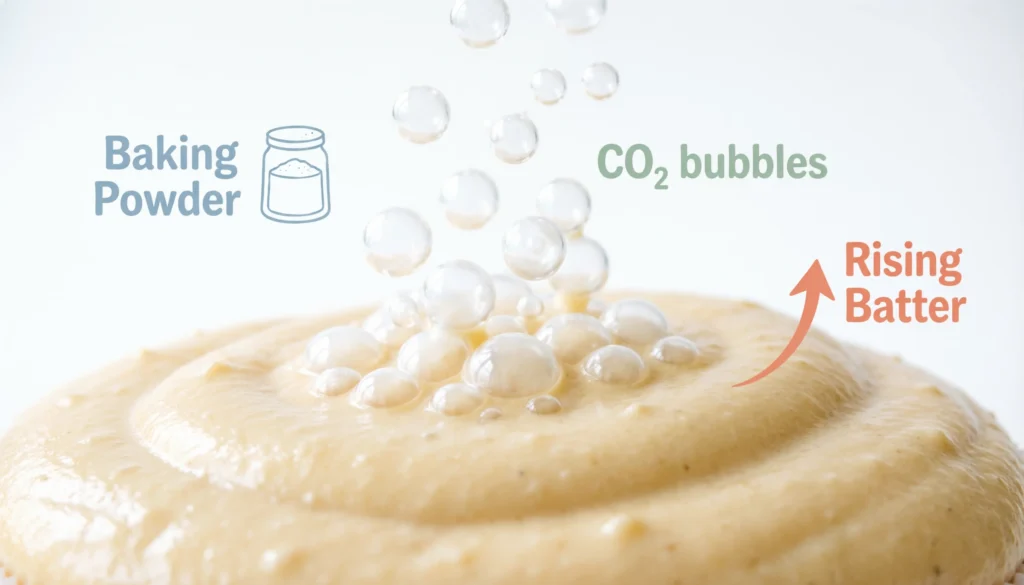
How does baking powder work?
- Single-acting baking powder: Reacts once when wet.
- Double-acting baking powder: Reacts twice—once when wet, again when heated. Most store-bought baking powders are double-acting.
Example:
- Mix baking powder into pancake batter → pancakes puff up instead of staying flat.
In short:
Baking Powder = Leavening Agent = Makes baked goods rise and become fluffy
Visual idea: Add diagram showing bubbles in batter expanding when heated.
📱 Where Is Baking Powder Commonly Used?
Baking powder is used in almost every kitchen recipe that requires quick rising:
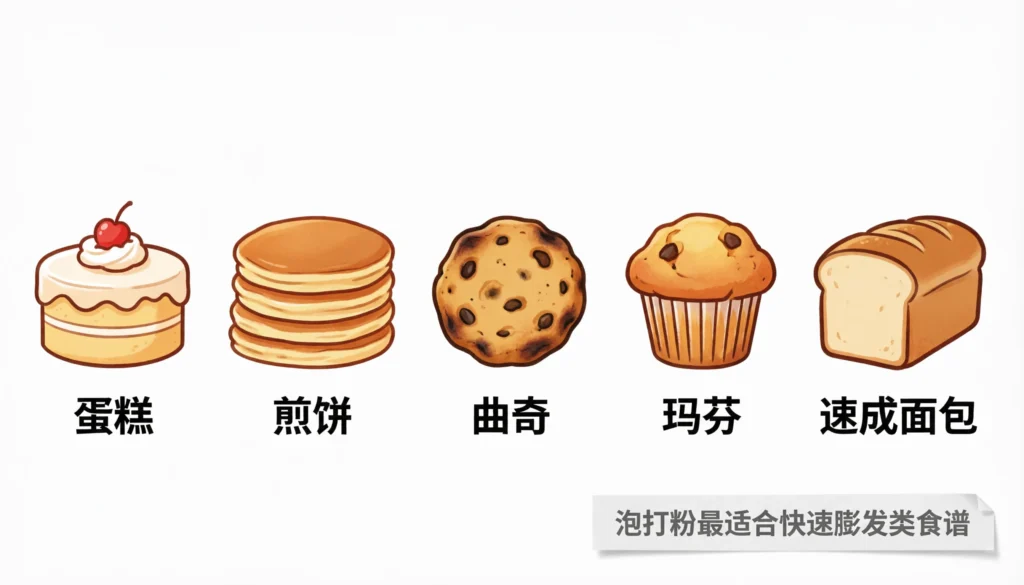
- 🍰 Cakes and cupcakes
- 🥞 Pancakes and waffles
- 🍪 Cookies and biscuits
- 🥧 Muffins and quick breads
Tone/Style: Casual, social-media-friendly, and easy to follow. Unlike yeast, baking powder works fast—perfect for weekday baking or last-minute treats.
Quick tip: Baking powder is not suitable for yeast breads, pizza dough, or recipes that require long fermentation.
💬 Examples of Baking Powder in Action
Here’s how baking powder uses look in real kitchen scenarios:

- Pancakes:
- “I added baking powder to the batter, and they came out so fluffy 😍”
- “Mine were flat without it 😅”
- Cake:
- “Why is my cake so dense?”
- “Did you forget the baking powder? That’s what makes it rise!”
- Biscuits:
- “Baking powder is my secret for soft, pillowy biscuits 🥰”
- “Noted! I’ll try that next time”
- Muffins:
- “A little extra baking powder saves muffins from being heavy”
- “Good tip! Thanks!”
- Quick breads:
- “This banana bread recipe calls for baking powder instead of yeast”
- “Perfect, I don’t have time for rising!”
🕓 When to Use and When Not to Use Baking Powder
✅ When to Use:
- Cakes, muffins, pancakes, and biscuits
- Quick breads that don’t need yeast
- Recipes that require fast rising
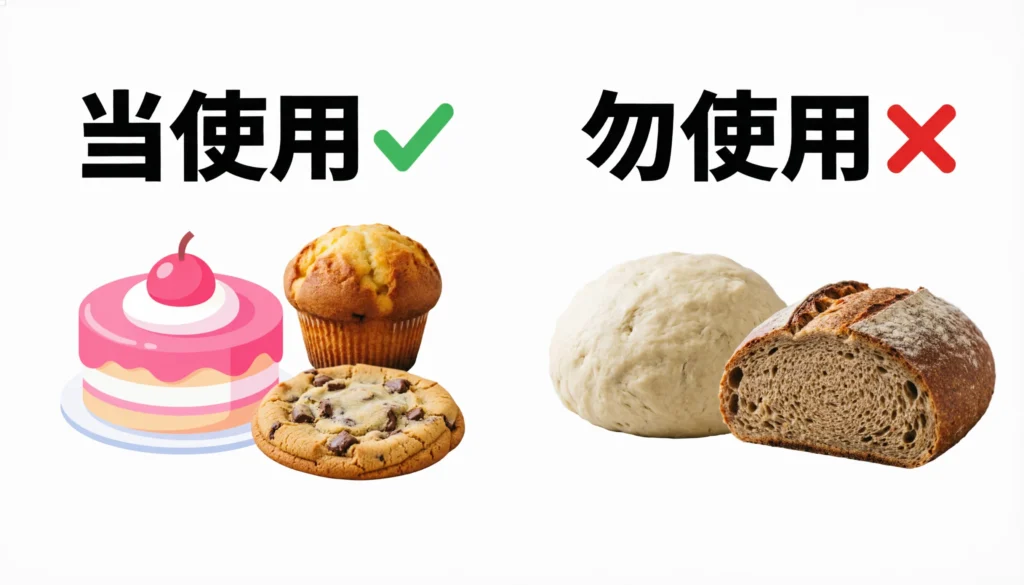
❌ When Not to Use:
- Yeast doughs (bread, pizza)
- Recipes relying on whipped eggs for lift
- When another leavening agent is already specified
Comparison Table:
| Context | Example Use | Why It Works |
| Pancakes | “Add 1 tsp baking powder 🥞” | Makes pancakes fluffy |
| Cake | “Mix in 2 tsp baking powder” | Helps cake rise evenly |
| Pizza dough | N/A | Yeast is needed, not baking powder |
| Biscuits | “Baking powder for soft texture” | Creates light, airy biscuits |
🔄 Similar Ingredients or Alternatives
| Ingredient | Meaning/Function | When to Use |
| Baking Soda | Reacts with acid to make CO₂ bubbles | Recipes with buttermilk or yogurt |
| Yeast | Ferments dough for slow rise | Bread, pizza, sourdough |
| Self-Rising Flour | Flour + baking powder included | Quick breads, pancakes |
| Cream of Tartar | Acid activates baking soda | Stabilizes egg whites, adds rise |
This also helps when deciding baking powder vs baking soda in recipes.
FAQs About Baking Powder
Q1: Can I use baking powder instead of baking soda?
A: Baking powder contains baking soda plus an acid, so it can sometimes substitute—but flavor and texture may differ.
Q2: How much baking powder should I use?
A: 1–1.25 tsp per cup of flour is standard. Follow the recipe for best results.
Q3: What happens if I use too much baking powder?
A: Overuse can make baked goods rise too fast, then collapse, leaving a bitter taste.
Q4: Is baking powder the same as baking soda?
A: No. Baking soda is pure sodium bicarbonate; baking powder also contains acid and starch.
Q5: Can baking powder go bad?
A: Yes! Test by adding 1 tsp to hot water—vigorous bubbles mean it’s still good.
Q6: Why use baking powder in baking?
A: It helps cakes, muffins, pancakes, and biscuits rise quickly and stay fluffy without yeast.
Conclusion
Baking powder is small but essential for fluffy baked goods. Knowing what it does, how it works, and when to use it ensures every cake, pancake, or muffin comes out perfect.
Remember to measure carefully, use it in the right recipes, and watch your baked goods rise to perfection!

Kaliyan Martan is a passionate dreamer and creative thinker who believes in turning ideas into meaningful action. With vision and dedication, he strives to make a lasting impact through innovation and authenticity.