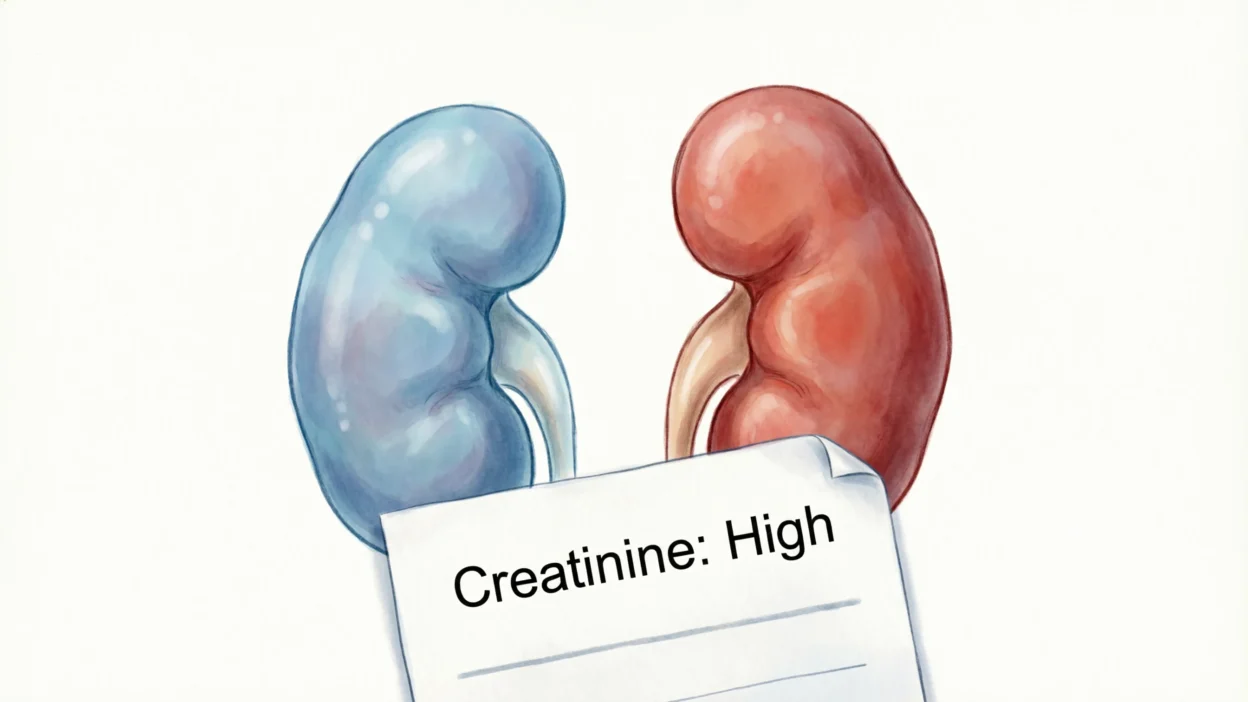
Seeing the words “high creatinine” on a blood test report can be worrying, especially if you’re not familiar with medical terms.
Many people search what does high creatinine mean after receiving lab results or hearing it from their doctor.
Creatinine levels are an important indicator of kidney health, but a high value does not always mean something serious. In some cases, it can be temporary or related to dehydration, diet, or medication.
Understanding the meaning of high creatinine, its causes, symptoms, and treatment options can help you take the right next steps calmly and confidently.
Quick answer:
High creatinine means there is more creatinine than normal in your blood, which may suggest that your kidneys are not filtering waste efficiently.
What Does High Creatinine Mean?
Creatinine is a waste product created when your muscles use energy. Your kidneys normally remove creatinine from the blood and pass it out of the body through urine. When this process slows down, creatinine builds up in the bloodstream.
So, high creatinine levels usually mean that the kidneys are not working as efficiently as they should. Doctors often use creatinine levels to assess overall kidney function.
In simple terms:
High creatinine = elevated creatinine levels = reduced kidney filtration
What Is a Normal Creatinine Level?
Understanding the creatinine levels normal range helps put results into context. Normal values may vary slightly depending on the laboratory, age, and muscle mass.
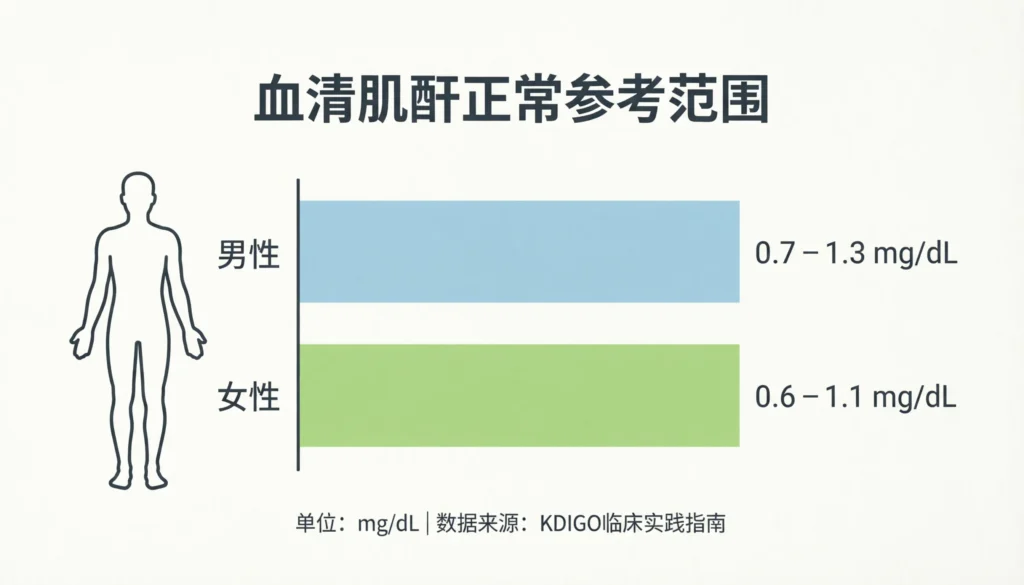
Typical ranges are:
- Men: 0.6–1.3 mg/dL
- Women: 0.5–1.1 mg/dL
A value above these ranges is generally considered high creatinine in a blood test, but doctors often look at trends over time rather than a single result.
What Causes High Creatinine Levels?
There are many possible high creatinine causes, and not all of them are serious. Common causes include:
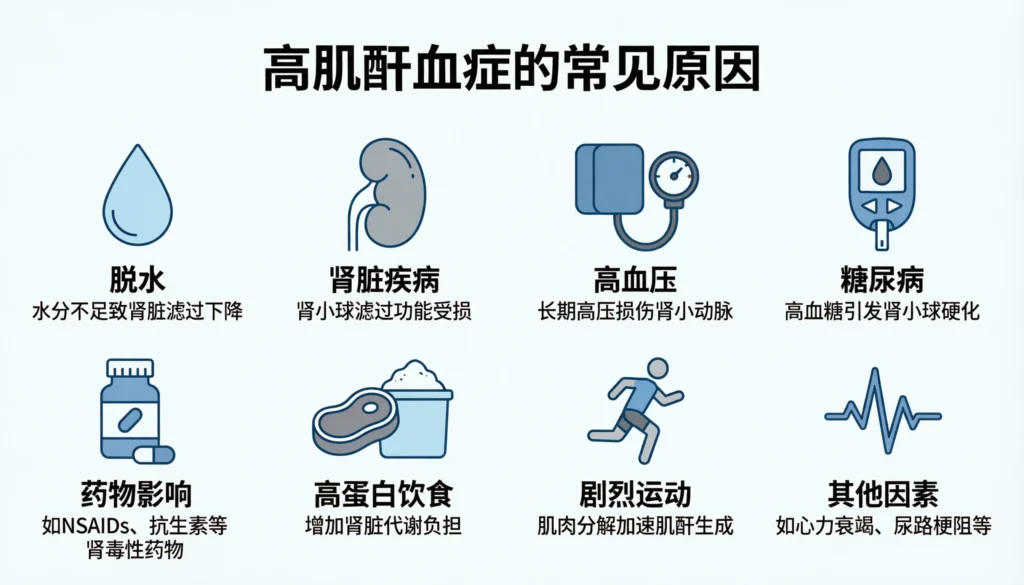
- Dehydration (one of the most common and reversible causes)
- Kidney disease or chronic kidney disease (CKD)
- Acute kidney injury (AKI)
- High blood pressure or diabetes
- Certain medications (such as NSAIDs or ACE inhibitors)
- High protein intake or supplements
- Intense exercise or heavy muscle breakdown
- Urinary tract obstruction
Identifying the cause is essential before deciding on treatment.
High Creatinine and Kidney Function
Creatinine is closely linked to kidney health. Doctors often interpret creatinine levels alongside another test called eGFR (estimated Glomerular Filtration Rate), which measures how well the kidneys filter blood.
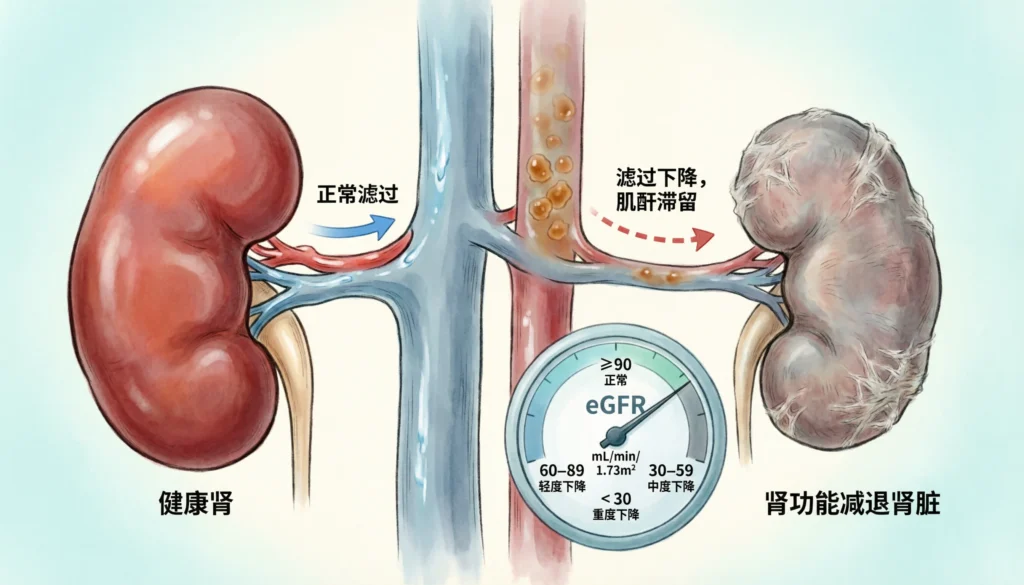
- High creatinine + low eGFR → possible kidney dysfunction
- High creatinine + normal eGFR → may be temporary or non-serious
This is why doctors rarely rely on creatinine alone when diagnosing kidney problems.
High Creatinine Symptoms
Many people with high creatinine levels experience no symptoms, especially in early stages. When symptoms do occur, they may include:
- Fatigue or weakness
- Swelling in feet, ankles, or face
- Decreased or frequent urination
- Shortness of breath
- Nausea or loss of appetite
- Confusion in severe cases
If symptoms are present, medical evaluation is important.
Is High Creatinine Dangerous?
A common question is: is high creatinine dangerous?
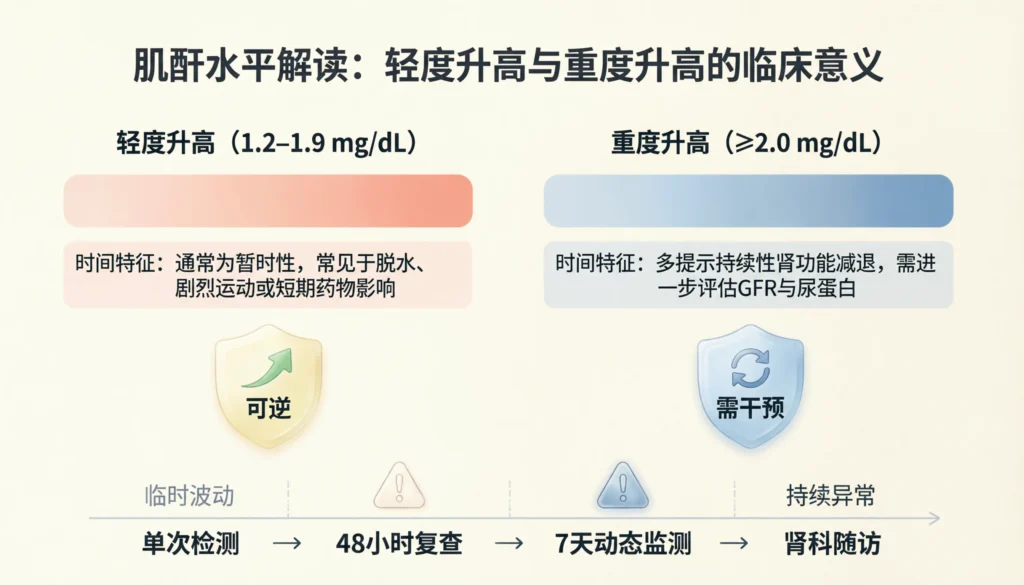
The answer depends on:
- How high the level is
- How long it has been elevated
- The underlying cause
Temporary increases due to dehydration or exercise are usually not dangerous. However, persistently high creatinine can indicate kidney disease and should not be ignored.
How Is High Creatinine Diagnosed?
Doctors diagnose elevated creatinine through:
- Blood tests (serum creatinine)
- Urine tests
- eGFR calculation
- Imaging tests (if needed)
They may repeat tests to confirm whether the elevation is temporary or ongoing.
High Creatinine Treatment Options
There is no single high creatinine treatment, because treatment depends on the cause. Common approaches include:
- Improving hydration
- Adjusting medications
- Managing blood pressure and diabetes
- Dietary changes (reducing excess protein or salt)
- Treating underlying kidney conditions
Never attempt to treat high creatinine without medical guidance.
Can Diet Affect Creatinine Levels?
Yes. Diet plays a role in creatinine levels. Factors that may increase creatinine include:
- Excessive red meat consumption
- High-protein supplements
- Poor fluid intake
Doctors may recommend dietary adjustments if creatinine levels remain elevated.
When Should You See a Doctor?
You should seek medical advice if:
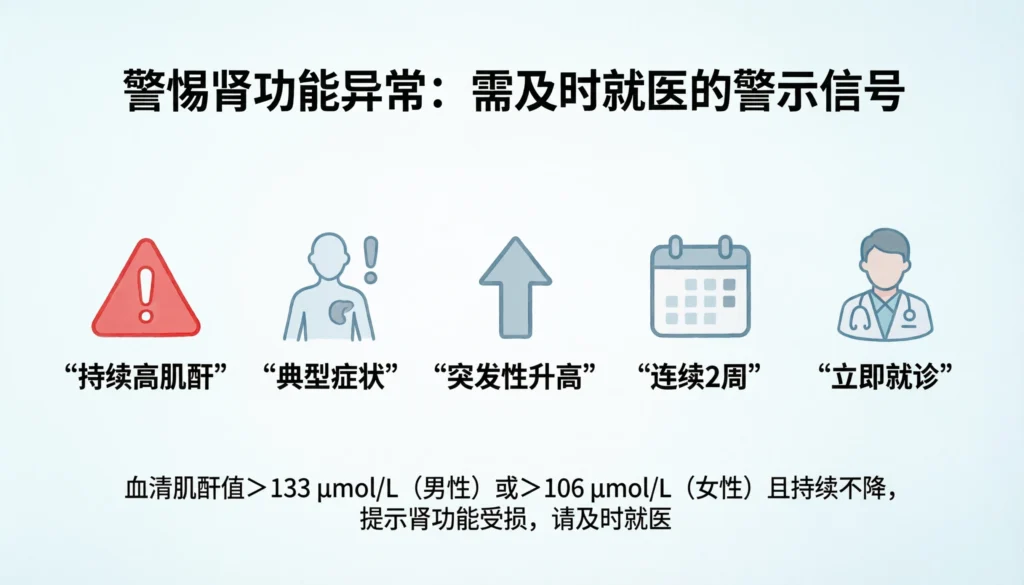
- Creatinine levels remain high on repeated tests
- You have symptoms of kidney problems
- Creatinine rises suddenly
- You have diabetes or high blood pressure
Early evaluation can prevent long-term kidney damage.
FAQs About High Creatinine
Q. What causes high creatinine in blood tests?
Dehydration, kidney disease, medications, and intense exercise are common causes of high creatinine in blood tests.
Q. Can dehydration cause high creatinine?
Yes. Dehydration reduces blood flow to the kidneys, temporarily increasing creatinine levels.
Q. Can exercise raise creatinine levels?
Intense physical activity can temporarily increase creatinine due to muscle breakdown.
Q. What is the medical meaning of high creatinine?
The high creatinine medical meaning refers to reduced kidney filtration or increased muscle waste in the bloodstream.
Q. Can high creatinine be reversed?
In many cases, yes—especially if caused by dehydration or medication. Chronic kidney disease requires long-term management.
Conclusion
Understanding what high creatinine means can reduce unnecessary fear and help you take informed action.
High creatinine levels indicate how well your kidneys are filtering waste, but they do not automatically mean serious disease.
Causes range from dehydration to chronic kidney conditions, and proper diagnosis is essential.
With timely testing, medical guidance, and lifestyle adjustments, many people successfully manage elevated creatinine and protect their kidney health.

Kaliyan Martan is a passionate dreamer and creative thinker who believes in turning ideas into meaningful action. With vision and dedication, he strives to make a lasting impact through innovation and authenticity.