Have you ever been typing a text or working on your computer when suddenly your eyelid starts twitching? It can feel strange, annoying, or even a little alarming.
Many people immediately wonder, “Why is my eye twitching?” Eye twitching, medically known as myokymia, is extremely common and usually harmless.
Most of the time, it’s a simple signal from your body telling you to relax, get enough sleep, or reduce stress.
Quick Answer:
Your eye twitching usually means your eyelid muscles are contracting involuntarily. Most of the time, it’s harmless and caused by stress, fatigue, or eye strain.
In rare cases, persistent twitching may indicate a more serious condition, so paying attention is important.
🧠 What Does “Eye Twitching” Mean?
Eye twitch meaning refers to involuntary spasms or contractions of the eyelid muscles. While it might feel alarming, it’s usually minor and temporary.
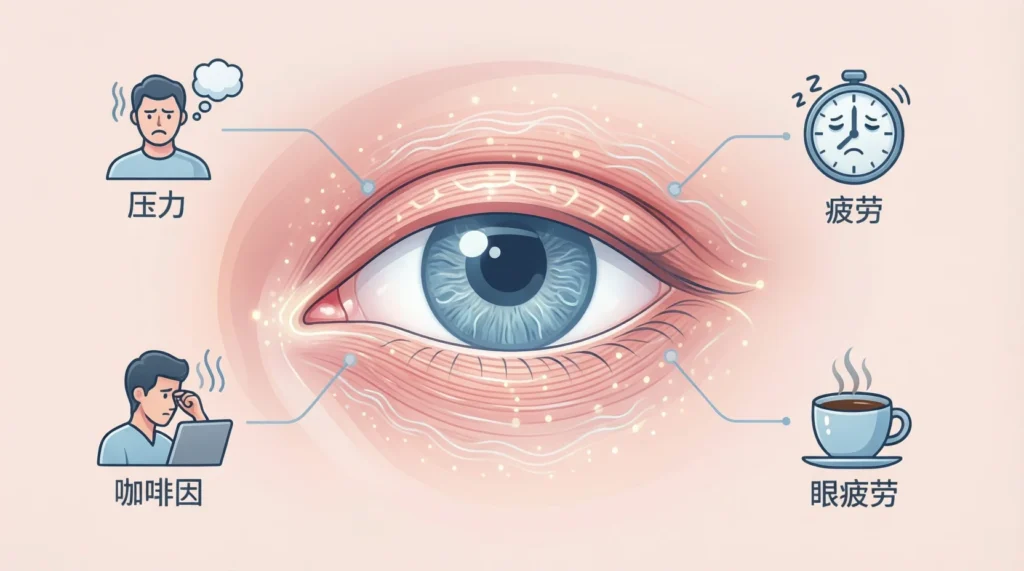
Common Causes:
- Stress and anxiety – the most frequent trigger
- Fatigue – lack of sleep or overwork
- Caffeine or alcohol – excess intake can irritate nerves
- Eye strain – long hours on screens
- Dry eyes – common in computer users
Example Sentence:
“I think my eye is twitching again 😅 Maybe I need to take a break and rest.”
In short: Eye Twitch = involuntary eyelid muscle spasm = minor, usually harmless, and temporary.
📊 How Common Is Eye Twitching?
Did you know? Up to 70% of adults experience eyelid twitches at least once in their lives. Most episodes last a few seconds to a few minutes, though some can persist for days if triggers continue. Chronic twitching is rare and may require medical attention.
💊 Eye Twitching Remedies & Prevention
Here are actionable ways to stop or prevent eye twitching:
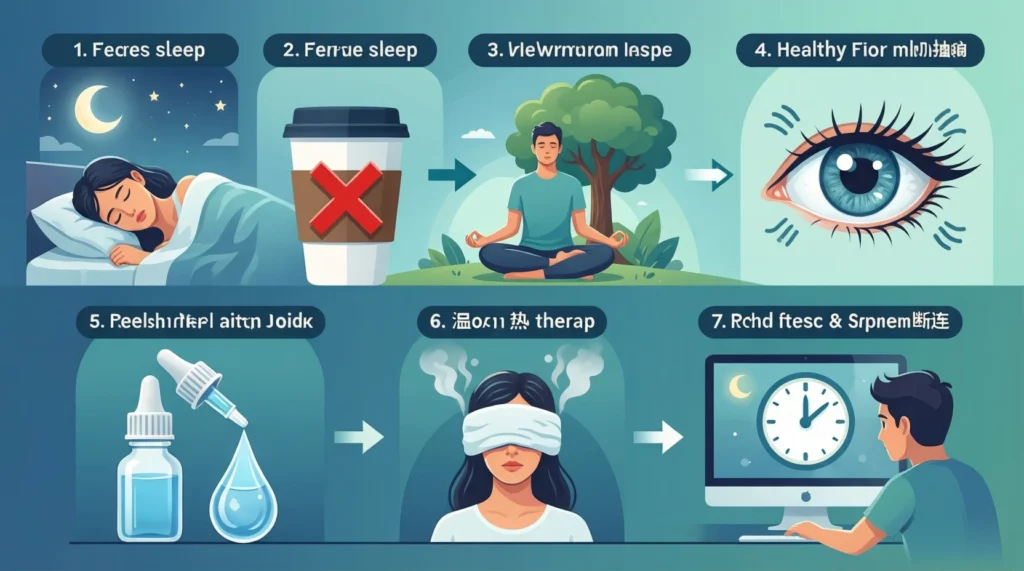
- Reduce stress – meditation, deep breathing, or short breaks can help.
- Get enough sleep – aim for 7–8 hours nightly.
- Limit caffeine and alcohol – too much can trigger spasms.
- Rest your eyes – follow the 20-20-20 rule: every 20 minutes, look 20 feet away for 20 seconds.
- Use artificial tears – for dry eyes caused by screens or air conditioning.
- Warm compress – gently place on your eyelid to relax muscles.
- Monitor medications – some drugs can cause twitching; consult your doctor.
Tip: Most twitches go away naturally in a few days. Persistent, painful, or twitching that spreads to other facial muscles should be evaluated by a doctor.
📱 Where Do People Talk About Eye Twitching?
While eye twitching is primarily a medical topic, people also mention it casually online:

- Texting with friends: “My eye keeps twitching 😬 so tired!”
- Social media posts: Twitter, TikTok, Instagram stories 📲
- Health forums: Reddit, WebMD, Mayo Clinic community boards 💻
It’s always casual and friendly, not a formal term, but adds a relatable touch when people share experiences.
💬 Examples of Eye Twitching in Conversation
Here’s how people might text about their eyelid twitching:

- Example
A: “Are you okay?”
B: “Yeah, just stress. My eye won’t stop twitching 😅”
- Example
A: “Stop drinking so much coffee ☕”
B: “Too late… eyelid twitching already 😬”
- Example
A: “Sleep well?”
B: “Not really, my eye twitching kept me awake 😴”
- Example
A: “What’s wrong?”
B: “Nothing serious, just my eyelid being dramatic 😂”
- Example
A: “Why are you rubbing your eye?”
B: “It won’t stop twitching, need a break 😩”
🕓 When to Be Concerned
Most eye twitches are harmless, but see a doctor if:
✅ Twitching persists for more than two weeks
✅ Twitch spreads to other facial muscles
✅ Twitching is painful or accompanied by swelling
✅ You notice vision changes
🔄 Similar Terms & Alternatives
| Term | Meaning | When to Use |
| Eye Spasm | Involuntary eyelid muscle contraction | Health forums or medical chat |
| Twitching Lid | Casual way to describe eyelid twitch | Texts, social media |
| Myokymia | Medical term for eyelid spasm | Health professionals |
| Nervous Tick | Nervous system–related twitch | Casual or health discussions |
| Fatigue Sign | Sign your body is tired | Social media or friend chats |
❓ FAQs About Eye Twitching
Q1: Is eye twitching dangerous?
A: Usually no. Most eyelid twitches are harmless. Persistent twitching may require medical evaluation.
Q2: What causes my eye to twitch?
A: Stress, fatigue, caffeine, eye strain, or dry eyes are the most common triggers. Rarely, it may indicate a neurological issue.
Q3: How can I stop my eye from twitching?
A: Rest, reduce caffeine, apply warm compresses, and manage stress. Artificial tears help if dry eyes are the cause.
Q4: Can anxiety cause eye twitching?
A: Yes, stress and nervousness often trigger eyelid spasms.
Q5: When should I see a doctor?
A: If twitching lasts over two weeks, spreads, or affects vision, consult a healthcare professional.
✅ Conclusion
Eye twitching is common, usually harmless, and often linked to stress, fatigue, caffeine, or eye strain. While it may feel annoying, most twitches disappear naturally.
Using the tips above—sleeping well, taking breaks, reducing caffeine, and using artificial tears—can help prevent or relieve twitching.
Talking about it online or with friends is casual and relatable, but always pay attention if symptoms persist or worsen.