If you’ve searched “what does ketamine do?”, you’re probably looking for a clear, straightforward answer. Maybe you heard about it in a hospital setting, saw it mentioned in mental health treatment discussions, or came across it in the news.
With so much mixed information online, it can be confusing to separate medical facts from myths.
This guide explains exactly what ketamine is, how ketamine works, its medical uses, ketamine effects, side effects, risks, and whether ketamine is safe all in simple language.
Quick Answer:
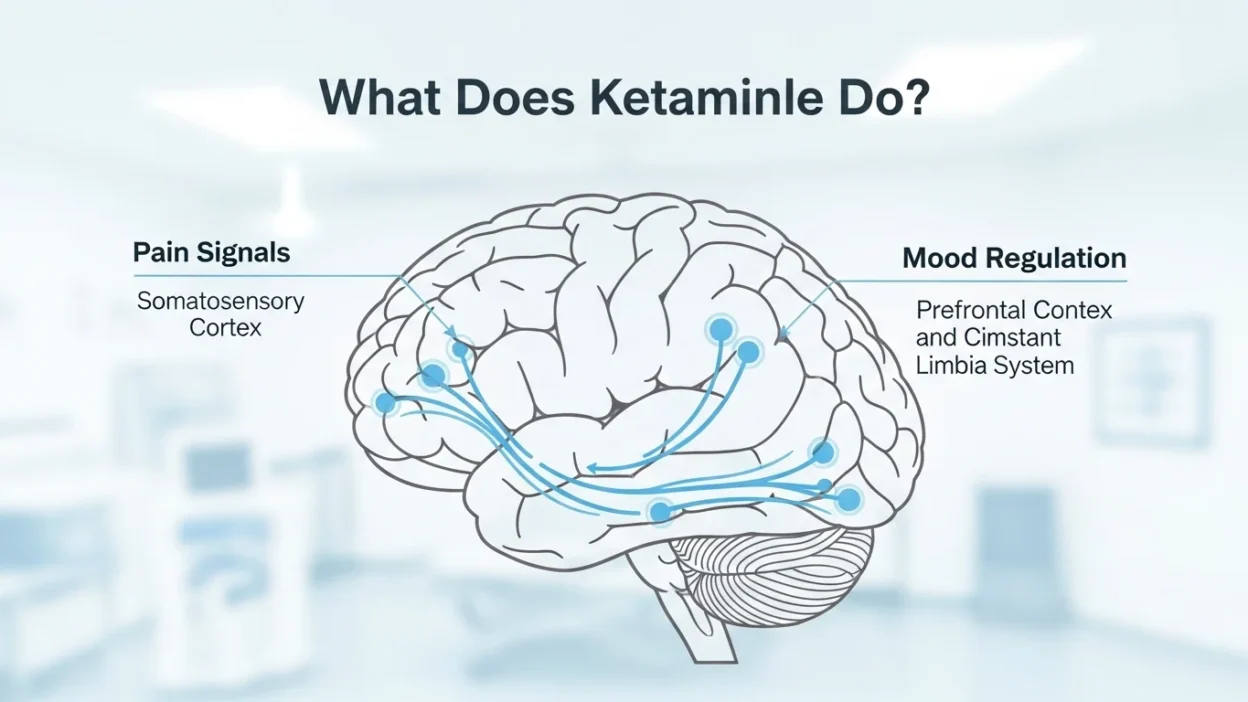
Ketamine is a prescription medication used as an anesthetic and, in controlled settings, for treatment resistant depression. It works by changing how the brain processes pain and mood signals.
🧠 What Is Ketamine?
Before understanding what does ketamine do, it helps to know what is ketamine.
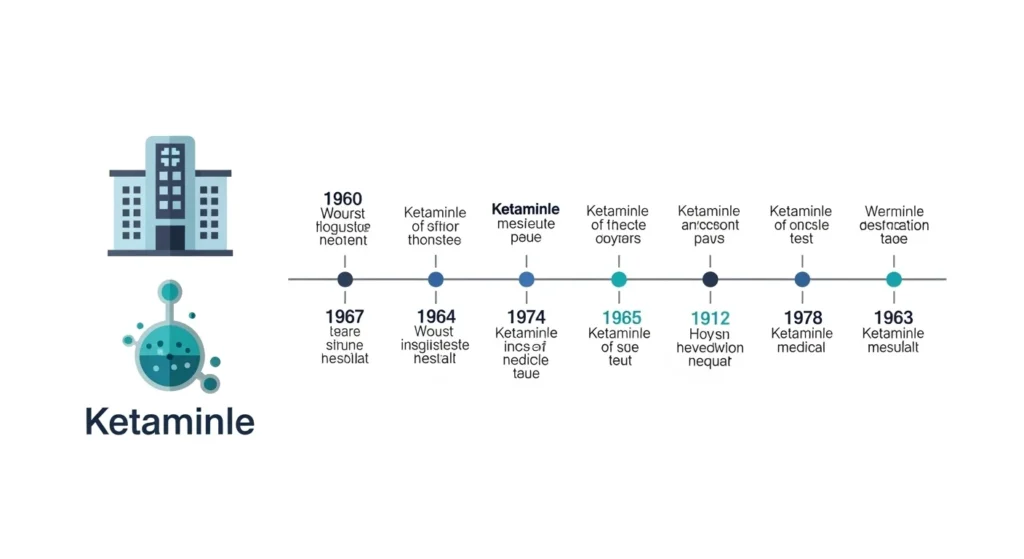
Ketamine is a dissociative anesthetic. It has been used in medicine since the 1960s to:
- Prevent pain during surgery
- Sedate patients for medical procedures
- Provide emergency pain relief
- Treat severe depression in controlled clinical settings
It is a regulated prescription drug and is not safe for unsupervised use.
🔬 How Does Ketamine Work?
Many people search “how does ketamine work?”
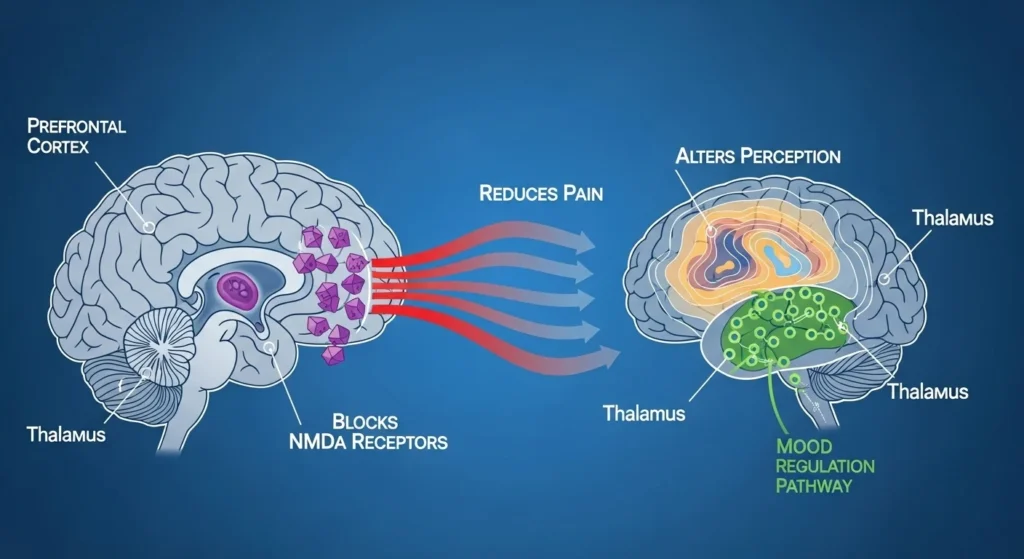
Ketamine works by blocking NMDA receptors in the brain. These receptors are involved in:
- Pain perception
- Memory
- Mood regulation
When these receptors are blocked:
- Pain signals are reduced
- Awareness and perception change
- Mood-related pathways may reset temporarily
This is why ketamine is both an anesthetic and, in low doses, sometimes used in depression treatment.
In short: Ketamine alters brain signaling related to pain and mood.
🏥 Medical Uses of Ketamine
1️. Anesthesia
Ketamine is widely used in hospitals as an anesthetic. It helps patients:
- Feel no pain
- Remain sedated
- Undergo surgery safely
Unlike some anesthetics, ketamine does not heavily suppress breathing at medical doses, which makes it useful in emergency medicine.
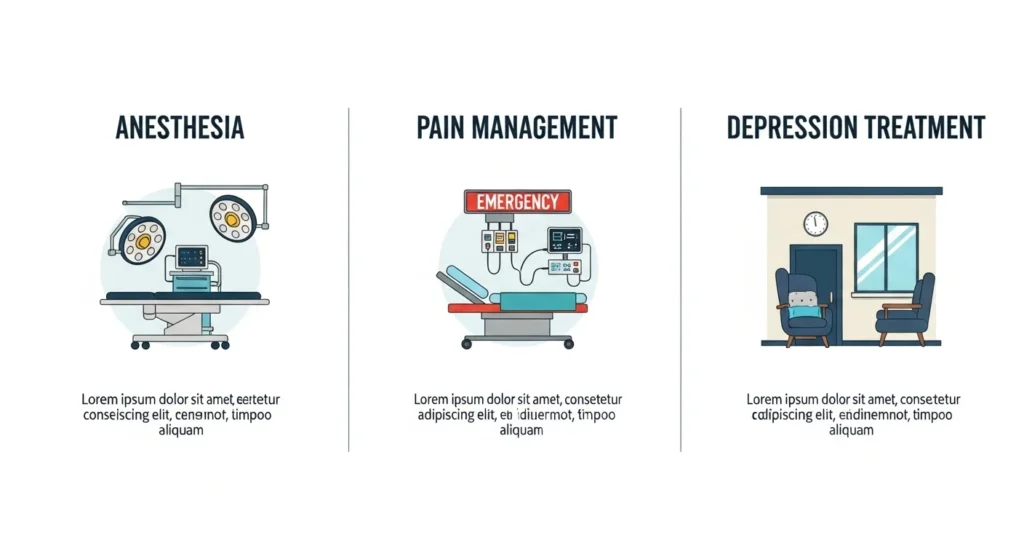
2️. Pain Management
Ketamine may be used in emergency rooms for:
- Severe injuries
- Trauma cases
- Short-term intense pain
3️. Ketamine for Depression
One of the most searched topics is ketamine for depression.
In recent years, low-dose ketamine therapy has been used for:
- Treatment-resistant depression
- Severe suicidal thoughts
- Major depressive disorder
Unlike traditional antidepressants, which can take weeks to work, ketamine may show effects within hours or days in some patients.
However:
- It must be given in a controlled clinic setting
- It requires medical supervision
- It is not a first-line antidepressant
⚡ Short Term Ketamine Effects
When asking “what does ketamine feel like?”, people usually mean short term effects.
At medical doses, ketamine can cause:
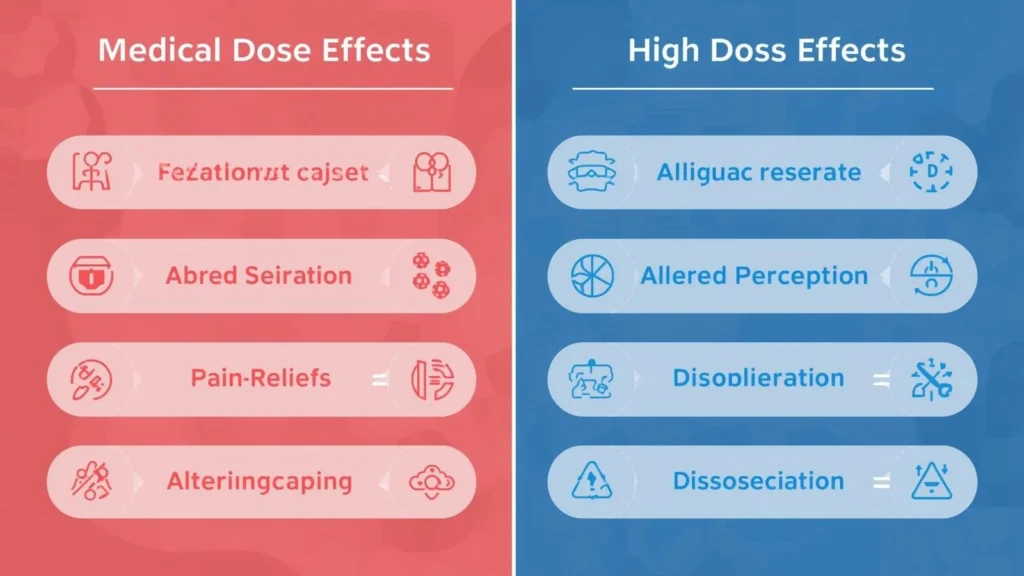
- Pain relief
- Sedation
- Altered perception
- Temporary confusion
- Mild increase in heart rate
In non-medical or higher doses, effects may include:
- Dissociation (feeling detached from reality)
- Hallucinations
- Distorted sense of time
- Impaired coordination
These ketamine drug effects vary based on dose and individual health.
⏳ How Long Does Ketamine Last?
Another common question is duration.
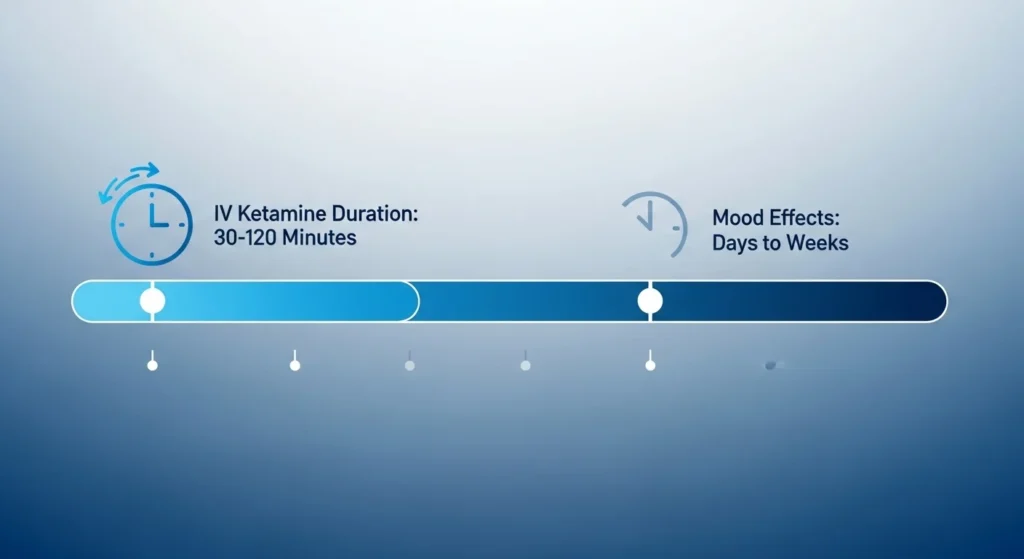
- IV medical ketamine: effects may last 30 minutes to 2 hours
- Mood benefits in depression therapy: may last days to weeks (varies)
The length depends on:
- Dosage
- Method of administration
- Individual metabolism
⚠️ Ketamine Side Effects
Like any medication, there are potential ketamine side effects.
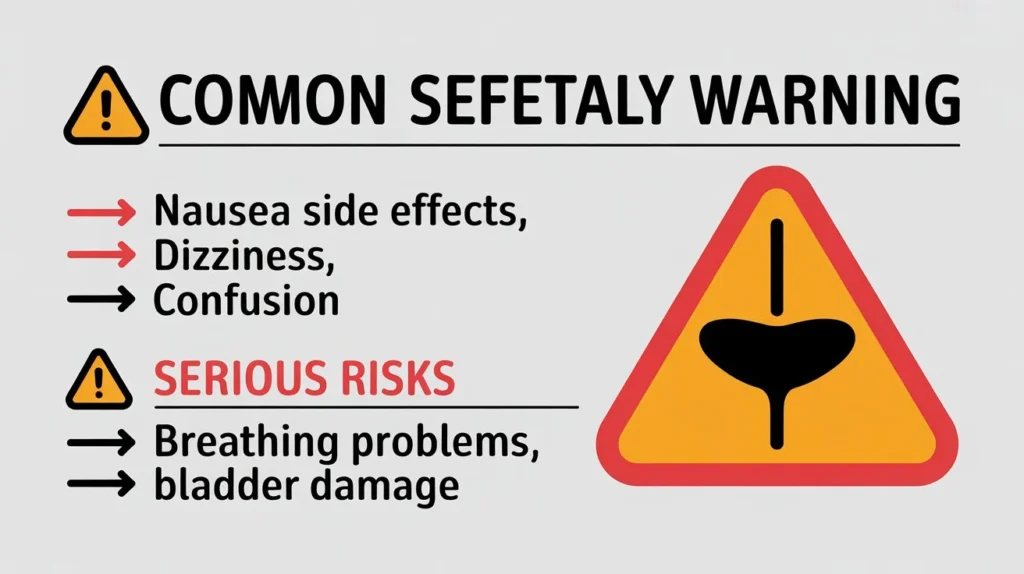
Common side effects include:
- Nausea
- Dizziness
- Blurred vision
- Confusion
- Increased blood pressure
More serious risks (especially with misuse):
- Breathing problems
- Bladder damage (long-term misuse)
- Memory issues
- Dependency
Side effects are more likely when ketamine is used outside medical supervision.
🔁 Long Term Effects of Ketamine
Repeated non-medical use may lead to:
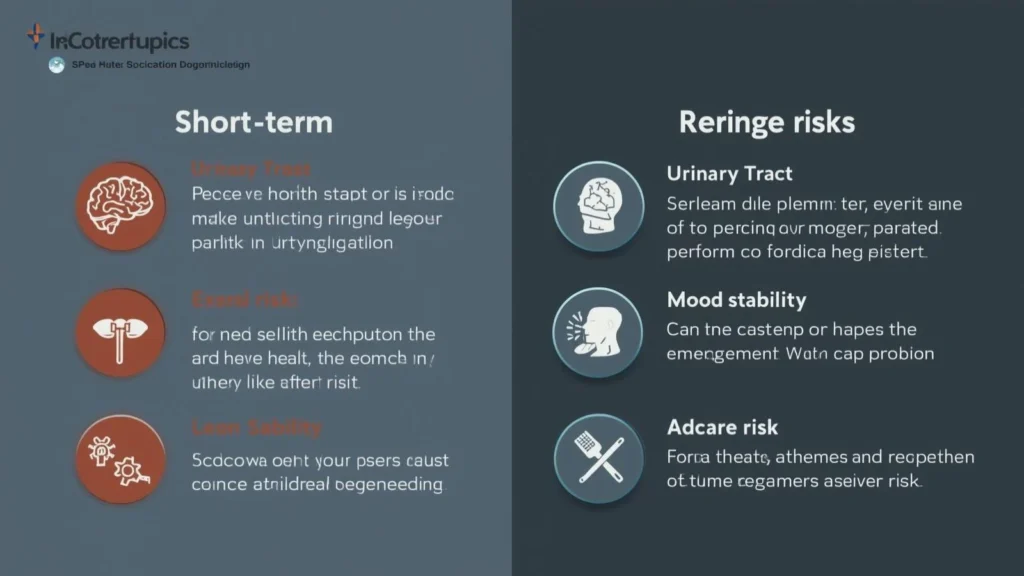
- Cognitive problems
- Urinary tract damage
- Mood instability
- Addiction risk
Long-term medical therapy is monitored closely to reduce these risks.
❓ Is Ketamine Addictive?
Many people ask: Is ketamine addictive?
Yes, ketamine has the potential for psychological dependence when misused.
Risk increases with:
- Frequent recreational use
- High doses
- Mixing with other substances
Medical use under supervision significantly lowers addiction risk.
🛑 Is Ketamine Safe?
The answer depends on context.
✅ Safe When:
- Prescribed by a doctor
- Used in a hospital or clinic
- Administered in proper dosage
- Monitored medically
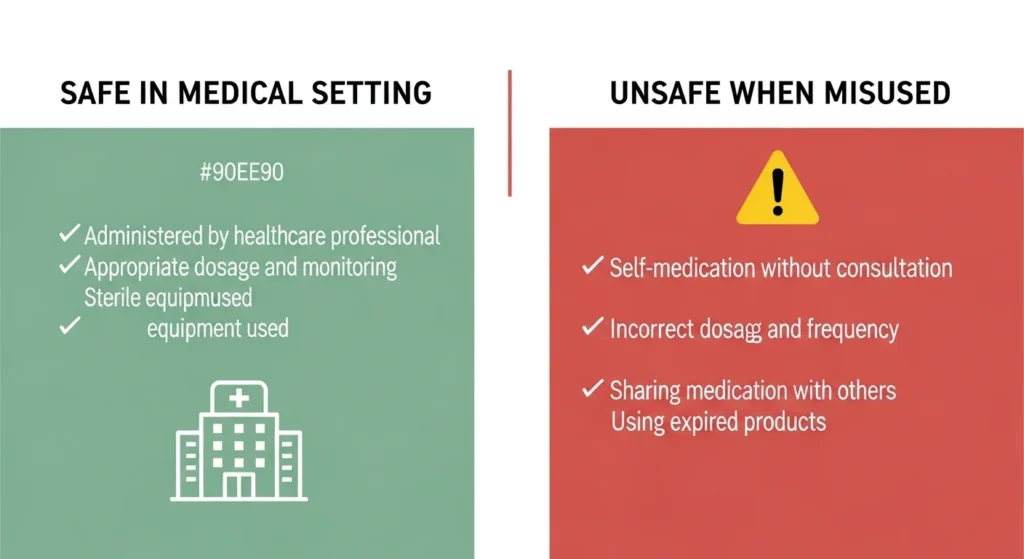
❌ Unsafe When:
- Used recreationally
- Taken without supervision
- Mixed with alcohol or other drugs
- Used repeatedly without medical guidance
So when people search “is ketamine safe”, the honest answer is:
Ketamine is safe in medical settings but can be dangerous when misused.
📊 Summary Table
| Question | Clear Answer |
| What does ketamine do? | Alters brain signals related to pain and mood |
| What is ketamine used for? | Anesthesia, pain relief, depression treatment |
| How does ketamine work? | Blocks NMDA receptors in the brain |
| Is ketamine addictive? | Can be, especially with misuse |
| Is ketamine safe? | Yes in medical settings, risky otherwise |
❓ FAQs About What Does Ketamine Do
1. What does ketamine do to your brain?
It blocks NMDA receptors, affecting pain perception and mood regulation.
2. What does ketamine feel like?
Medically, it causes sedation and pain relief. Higher doses may cause dissociation and altered perception.
3. Why is ketamine used for depression?
It may rapidly improve mood in some treatment-resistant depression cases.
4. Can ketamine cause overdose?
Yes. High doses or mixing with other substances increases risk of overdose and breathing suppression.
5. Is ketamine FDA-approved?
Ketamine is approved as an anesthetic. A related nasal spray (esketamine) is FDA approved for certain depression cases under supervision.
🏁 Conclusion: What Does Ketamine Do?
So, what does ketamine do?
Ketamine changes how the brain processes pain and mood signals. It is primarily used as an anesthetic and, in controlled clinical settings, for certain cases of depression.
While it has important medical benefits, ketamine side effects and addiction risks make unsupervised use dangerous.
If you were searching for:
- what is ketamine
- how does ketamine work
- ketamine effects
- ketamine for depression
- is ketamine safe
You now have a complete, medically accurate overview.
For any personal medical decisions, always consult a licensed healthcare professional.

Kaliyan Martan is a passionate dreamer and creative thinker who believes in turning ideas into meaningful action. With vision and dedication, he strives to make a lasting impact through innovation and authenticity.